Opioid Withdrawal Symptoms: How To Recognize Them Early And Get Help
Objective
This blog explains Opioid Withdrawal Symptoms in a clear and simple way. It covers the early warning signs, the physical and emotional changes, the withdrawal timeline, and the risks of waiting too long to get help. It also answers common questions such as does opioid withdrawal cause hypertension, what counts as an early symptom of opioid withdrawal, and how treatment like medical detox and heroin detox California programs can help.
Key Takeaways
- Opioid Withdrawal Symptoms often begin with early signs like anxiety, sweating, yawning, a runny nose, and trouble sleeping.
- Withdrawal is usually very uncomfortable, but it can also become medically serious because of dehydration, blood pressure changes, a fast heart rate, and relapse risk.
- A short-acting opioid such as heroin often causes symptoms sooner than a long-acting opioid like methadone.
- Medications such as buprenorphine and methadone are evidence-based treatments for opioid use disorder, and they can also help manage withdrawal as part of treatment.
- If symptoms are severe, or if there is confusion, chest pain, fainting, severe vomiting, or danger of self-harm, urgent medical help is needed.
Table Of Contents
- What Opioid Withdrawal Means
- Early Symptoms of Opioid Withdrawal
- Physical Opioid Withdrawal Symptoms
- Psychological Opioid Withdrawal Symptoms
- Signs And Symptoms Of Opioid Dependence
- Does Opioid Withdrawal Cause Hypertension?
- Which Cue Is A Symptom Of Opioid Withdrawal?
- Opioid Withdrawal Timeline
- Risks Of Untreated Withdrawal
- Treatment Options And When To Get Help
- Conclusion
- FAQs
What Opioid Withdrawal Means
Withdrawal happens when a person’s body has adapted to opioids, and then the drug is reduced or stopped. MedlinePlus explains that after heavy use for a period of time, stopping or cutting back can trigger a group of withdrawal symptoms. SAMHSA and NIDA also describe withdrawal as part of opioid use disorder and physical dependence.
This is one reason quitting can feel so hard. The body is reacting to the sudden change. The person is not simply “being weak.” The brain and body have adjusted to the drug, and now they are struggling without it. That is why early treatment matters. In a setting like Leucadia Detox, people can be watched closely and supported during the hardest part of the process.
Early Symptoms of Opioid Withdrawal
An early symptom of opioid withdrawal may show up before the person looks obviously sick. MedlinePlus lists signs such as agitation, anxiety, muscle aches, more tearing from the eyes, trouble sleeping, runny nose, sweating, yawning, and sometimes rapid breathing. These symptoms often appear first and then grow stronger.
Early clues can include:
- anxiety or restlessness
- yawning again and again
- sweating more than usual
- runny nose
- watery eyes
- trouble sleeping
- body aches
- feeling “off” or unable to relax
These signs matter because they are often the point where a person still has time to get medical help before symptoms peak. They are also part of the answer to the question, which cue is a symptom of opioid withdrawal. Yawning, sweating, watery eyes, and restlessness are classic cues that should not be ignored.
Physical Opioid Withdrawal Symptoms
As withdrawal moves forward, the physical symptoms usually become more obvious. MedlinePlus lists abdominal cramping, diarrhea, dilated pupils, goosebumps, nausea, vomiting, and a fast heartbeat among the common symptoms. Other clinical guidance also notes hot and cold flashes, sweating, and muscle cramps.
Common physical Opioid Withdrawal Symptoms include:
- nausea
- vomiting
- diarrhea
- stomach cramps
- muscle pain
- chills or goosebumps
- sweating
- enlarged pupils
- fast heartbeat
- shaky or weak feeling
These symptoms are one reason people relapse during withdrawal. The distress can feel overwhelming, especially without support. NIDA notes that medications for opioid use disorder are safe and effective and can help people stop or reduce opioid use as part of treatment.
Psychological Opioid Withdrawal Symptoms
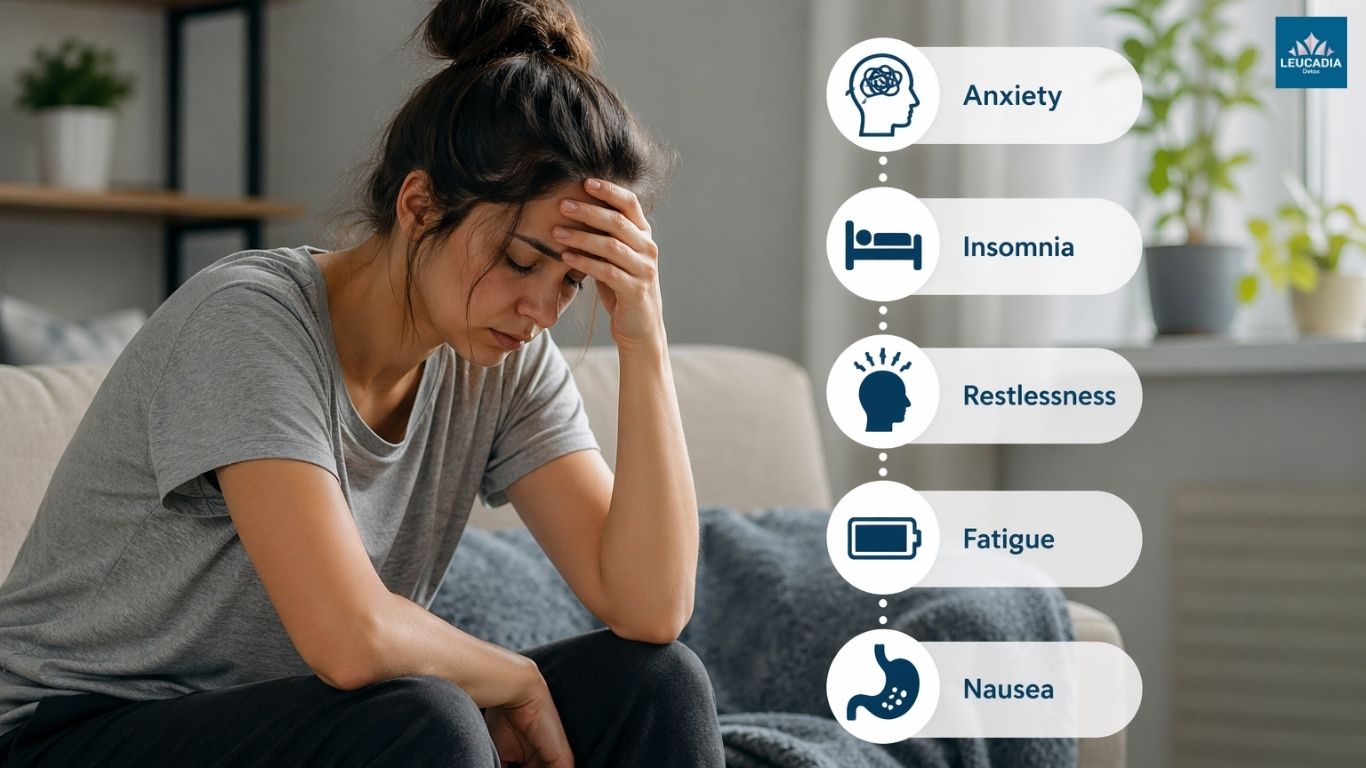
Withdrawal is not only physical. It also affects mood, thinking, and stress levels. Clinical sources describe anxiety and insomnia as common withdrawal problems, and many people also report irritability, low mood, and a strong urge to use opioids again.
Psychological symptoms may include:
- anxiety
- irritability
- poor sleep
- low mood
- strong cravings
- poor concentration
- feeling overwhelmed or hopeless
This is why Opioid Withdrawal Symptoms should never be treated like a simple flu. The person may be dealing with pain, fear, cravings, and emotional distress at the same time. That combination can raise the risk of relapse and overdose, especially if the person returns to opioid use after losing tolerance.
Signs And Symptoms Of Opioid Dependence
The signs and symptoms of opioid dependence often show up before withdrawal begins. NIDA explains that substance use disorder can include using more than intended, strong craving, continuing to use despite harm, and having withdrawal symptoms when stopping. MedlinePlus also explains that opioid use disorder involves repeated use and difficulty stopping.
Some common symptoms of opioid use disorder include:
- needing more of the drug over time
- craving the drug
- using even when it causes problems
- trying to stop but not being able to
- spending a lot of time getting, using, or recovering from opioids
- having withdrawal when use is reduced
These are not just bad habits. They are signs of a medical condition that can and should be treated. That is where programs such as heroin detox California or other medical detox services can help stabilize the person and move them into longer-term care.
Does Opioid Withdrawal Cause Hypertension?
A common question is: Does opioid withdrawal cause hypertension? Withdrawal can increase stress on the body and may lead to elevated blood pressure, rapid heart rate, sweating, and overactivity of the nervous system. MedlinePlus clearly lists a fast heartbeat, and clinical withdrawal guidance supports that withdrawal can produce autonomic symptoms that raise concern.
That does not mean every person in withdrawal will have dangerously high blood pressure. But it does mean blood pressure and heart rate can rise, especially in people who already have heart or blood pressure problems. This is one reason medical supervision matters, especially if symptoms are strong or the person has other health conditions.
Which Cue Is A Symptom Of Opioid Withdrawal?
If someone asks, which cue is a symptom of opioid withdrawal, the answer can include several very common signs. Yawning, sweating, watery eyes, runny nose, agitation, goosebumps, dilated pupils, stomach cramps, and diarrhea are all classic cues found in standard medical references.
Early cues are especially important because they can help families and patients act sooner. When these signs appear in someone who has been using heroin, fentanyl, oxycodone, hydrocodone, or other opioids, withdrawal should be considered.
Opioid Withdrawal Timeline
The timeline depends on the opioid involved. For short-acting opioids such as heroin, symptoms often start about 8 to 24 hours after the last use and may last around 4 to 10 days. For long-acting opioids such as methadone, symptoms may start later, around 12 to 48 hours, and can last 10 to 20 days.
A simple timeline looks like this:
| Stage | What Often Happens |
|---|---|
| Early Onset | Anxiety, yawning, sweating, runny nose, poor sleep begin |
| Peak Period | Stomach upset, vomiting, diarrhea, cramps, chills, stronger cravings |
| Later Phase | Physical symptoms ease, but sleep problems, mood changes, and cravings may continue |
Risks Of Untreated Withdrawal
Untreated withdrawal can lead to dehydration, poor nutrition, relapse, and return to opioid use at a time when tolerance may be lower. That lower tolerance can increase overdose risk. NIDA and SAMHSA both stress that medications and ongoing treatment reduce harm and save lives.
Medical help is especially important if the person has:
- severe vomiting or diarrhea
- fainting or confusion
- chest pain
- trouble breathing
- serious blood pressure or heart problems
- suicidal thoughts
- pregnancy
Treatment Options And When To Get Help
The best treatment does more than “get through” withdrawal. NIDA, SAMHSA, and ASAM all support evidence-based treatment with medications such as buprenorphine and methadone for opioid use disorder, along with counseling and ongoing support. Naltrexone is another FDA-approved option in appropriate patients.
Treatment options may include:
- Medical detox for safe monitoring during withdrawal
- Buprenorphine or methadone treatment
- Counseling and behavioral therapy
- Ongoing treatment after detox, because detox alone is usually not enough for long-term recovery
This is where Leucadia Detox can fit into the first step of care. A medical setting can watch symptoms, manage risk, and help the person move into the next phase of treatment instead of facing withdrawal alone. For some people, that next phase may include heroin detox California services, medication treatment, and a full recovery plan.
Start Safe Opioid Detox Without Risk Today
Opioid withdrawal symptoms can escalate quickly. Get professional medical detox and support to stay safe, reduce risks, and begin recovery the right way.
Conclusion
Opioid Withdrawal Symptoms can start early, build fast, and feel overwhelming. The first signs may be yawning, sweating, anxiety, watery eyes, or poor sleep. Later, stomach problems, chills, fast heartbeat, and strong cravings may follow. Questions like whether opioid withdrawal causes hypertension matter because withdrawal can stress the body and sometimes requires medical care. The bigger point is simple: early help is safer than waiting. Leucadia Detox is part of that path when someone needs immediate professional support, a safe withdrawal setting, and help moving toward recovery.
“If opioid withdrawal has started, getting help early can make the process safer, more stable, and more manageable.”
FAQs
1. What Is Usually The Earliest Symptom Of Opioid Withdrawal?
An early symptom of opioid withdrawal is often anxiety, yawning, sweating, watery eyes, a runny nose, or trouble sleeping. These symptoms can appear before the more intense stomach and body symptoms begin.
2. Does Opioid Withdrawal Cause Hypertension?
It can raise blood pressure in some people because withdrawal stresses the nervous system and can increase heart rate and body tension. That is one reason medical monitoring can be important, especially in people with other health problems.
3. Which Cue Is A Symptom Of Opioid Withdrawal?
Common cues include yawning, sweating, watery eyes, runny nose, goosebumps, dilated pupils, stomach cramps, and diarrhea. These are classic withdrawal signs described in medical sources.
4. What Are The Main Signs And Symptoms Of Opioid Dependence?
The signs and symptoms of opioid dependence can include craving, needing more of the drug, using longer than intended, struggling to stop, and having withdrawal symptoms when use is reduced.
5. How Long Do Opioid Withdrawal Symptoms Last?
For short-acting opioids like heroin, symptoms often start within 8 to 24 hours and may last 4 to 10 days. For long-acting opioids such as methadone, symptoms may start later and last longer.
6. Is Detox Enough To Treat Opioid Use Disorder?
Usually no. Detox can help with the first stage, but long-term treatment often includes medications, counseling, and follow-up care because detox alone usually does not address the full opioid use disorder.