Why Fentanyl Overdoses Happen Even To Experienced Drug Users
Objective
This blog explains why fentanyl can cause overdose even in people who have used opioids or other drugs before. It covers potency, contaminated pills and powders, breathing risk, warning signs, emergency response, naloxone, and treatment options. The goal is to help readers understand why experience does not remove risk when fentanyl is involved.
Table Of Contents
- Why Experience Does Not Make Fentanyl Safe
- Why Fentanyl Is So Potent
- How Small Changes Increase Overdose Risk
- How Fentanyl Affects Breathing
- Why Fentanyl Is Found in Other Drugs
- Common Signs of an Opioid Overdose
- Emergency Response and Naloxone
- Treatment and Recovery Options
- FAQs
Key Takeaways
- Experience with drugs does not remove overdose risk.
- Overdose can happen when breathing slows or stops.
- Fake pills and contaminated powders make the drug supply unsafe.
- Naloxone can help, but 911 should still be called.
- Detox, rehab, therapy, and relapse prevention support can lower future risk.
1. Why Experience Does Not Make Fentanyl Safe
Many people believe overdose only happens to someone who is new to drugs or does not know their limits. Fentanyl proves that idea wrong. A person may have years of opioid use behind them and still be at serious risk. The danger comes from how strong fentanyl is, how unevenly it can be mixed, and how often it appears in pills or powders without the person knowing.
2. Why Fentanyl Is So Potent
Fentanyl is a synthetic opioid. It affects the same opioid receptors involved in pain relief, sedation, and breathing. The problem is its strength. Because fentanyl is far more potent than many other opioids, a small change in amount can have a much stronger effect on the body.
A fentanyl overdose often happens because the drug slows the brain’s breathing signals. The person may not feel panic. They may not know they are unwell. They may become very sleepy, stop responding, and breathe less and less.
That is why fentanyl is so dangerous. The body can move from drug effect to medical emergency in a short time.
3. Small Changes Can Cause A Fentanyl Overdose
A small change in drug strength can change everything. This is one reason overdose risk is high even for people with tolerance.
Several things can raise danger:
- The drug is stronger than expected.
- Fentanyl is mixed unevenly into a powder or a pill.
- Tolerance has dropped after a break.
- Alcohol, sleep pills, or anxiety pills are also in the body.
- The person is sick, tired, or alone.
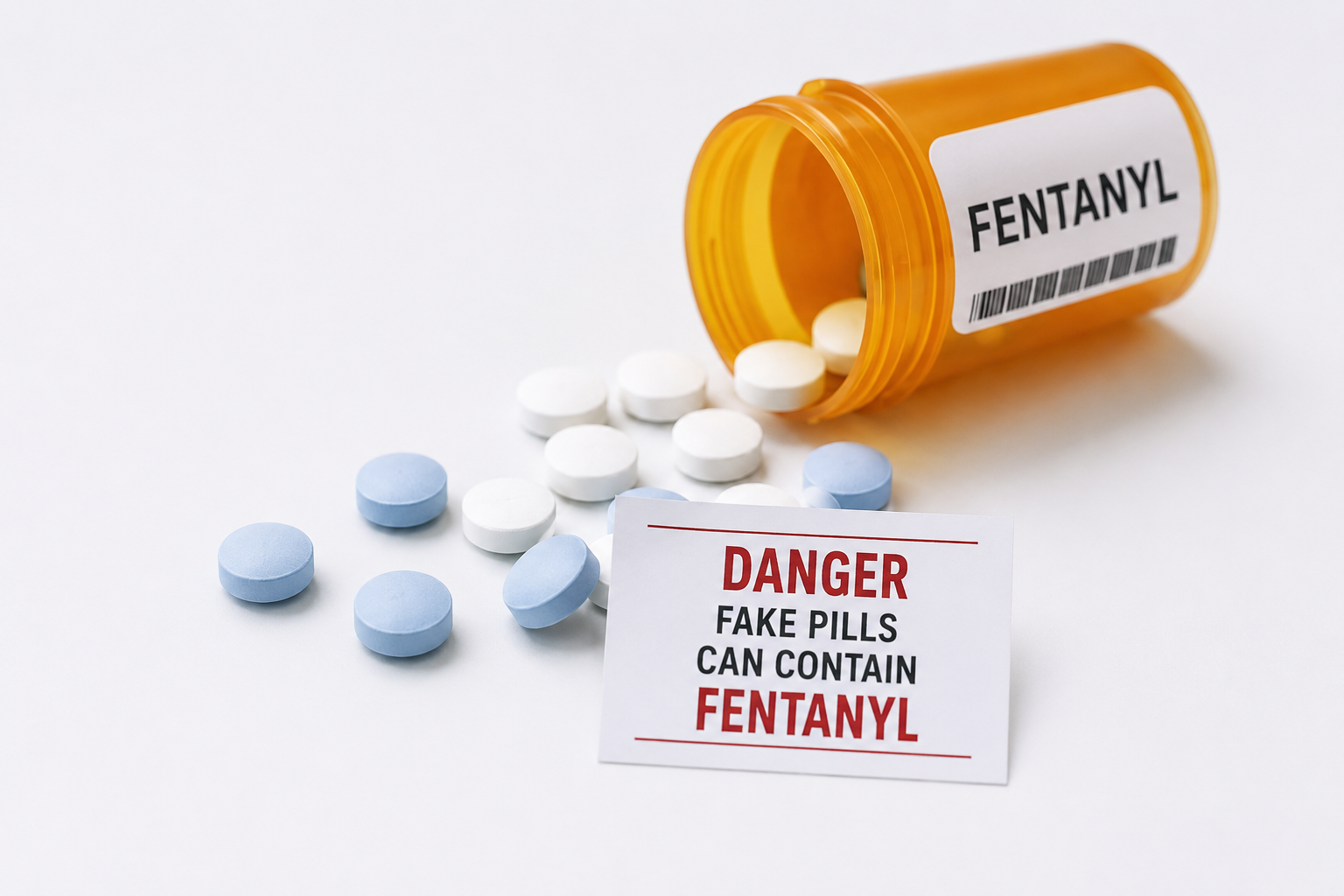
Street drugs do not come with quality checks. There is no safe label. A pill that looks real may be fake. A powder sold as one drug may contain fentanyl.
4. How Fentanyl Affects Breathing
Overdose mechanism is mainly about the brain, nerves, and breathing. Opioids attach to receptors in the brain and body. These receptors can reduce pain. They can also slow the central nervous system.
The central nervous system controls breathing, alertness, heart rate, and response to danger. When fentanyl affects it too strongly, breathing can become slow and shallow. In severe cases, breathing can stop.
This is the core risk:
- Less oxygen reaches the brain.
- The person becomes confused or unconscious.
- Lips or fingernails may turn blue or gray.
- The person may not wake up.
- The heart and brain can be harmed without fast help.
5. Why Fentanyl Is Hidden In Other Drugs
Many people do not know they are taking fentanyl. That is one of the biggest reasons overdoses happen.
Fentanyl may be mixed into:
- Fake prescription pills
- Heroin
- Cocaine
- Methamphetamine
- Other powders or pressed pills
This happens because the illegal drug supply is not controlled. Some sellers add fentanyl to make a product feel stronger. Sometimes, mixing tools or bags is contaminated. Sometimes pills are made to look like common medications, but they contain fentanyl instead.
This means a person may not be choosing fentanyl at all. They may think they are taking something else. That makes every unregulated pill or powder risky.
6. Common Signs Of A Fentanyl Overdose
A fentanyl overdose can look quiet at first. Friends may think the person is asleep. That mistake can cost time.
Watch for these signs:
- Very slow, weak, or stopped breathing
- Unconsciousness
- No response to voice or touch
- Blue, gray, or purple lips or fingernails
- Limp body
- Pale, cold, or clammy skin
- Gurgling, choking, or snoring sounds
- Tiny pupils
- Vomiting or confusion
If a person cannot wake up or is breathing strangely, treat it as an emergency. Do not wait. Do not assume they will recover alone.
7. Emergency Response And Naloxone
Fast action can save a life.
If you suspect overdose:
- Call 911 right away.
- Give naloxone if it is available.
- Stay with the person.
- Follow the naloxone label or dispatcher instructions.
- Keep checking breathing until help arrives.
Naloxone can reverse opioid effects for a short time. Even when naloxone helps, emergency care is still needed because symptoms can return.
It can help restore breathing. But it is not a full treatment. Fentanyl can last longer than naloxone. Some overdoses need more medical care.
Never leave the person alone after naloxone. They may seem better and then get worse again.
8. Treatment And Recovery Options
Surviving a fentanyl-related overdose should be treated as a serious warning sign. The person needs support, not shame. Treatment may begin with medical detox, especially when withdrawal symptoms are expected. Detox gives the body time to clear opioids while trained staff monitor symptoms and help the person stay safer.
Recovery usually needs more than detox. Rehab, therapy, relapse prevention, and aftercare can help a person understand triggers, manage cravings, and build safer routines. Some people may also need medication support for opioid use disorder. A medical provider can decide what is appropriate based on the person’s history, health, and recovery needs.
At Leucadia Detox, fentanyl-related care may include medical supervision, comfort support, therapy planning, and guidance for the next stage of treatment.
Conclusion
A fentanyl overdose can happen to anyone exposed to fentanyl, even someone with years of drug use behind them. Experience does not protect a person from a strong batch, a fake pill, or a drug mixture they did not know contained fentanyl.
The danger is tied to breathing. When fentanyl affects the body too strongly, breathing can slow down or stop. That is why every minute matters. Call 911, use naloxone if it is available, and stay with the person until emergency help arrives.
The next step should be support, not shame. Medical detox, treatment planning, therapy, relapse prevention, and long-term recovery care can help reduce future risk.
Leucadia Detox can support people who need a safer path into detox and recovery planning. If fentanyl or opioid use has become hard to control, reach out for professional help through a fentanyl detox California program.
Concerned About Fentanyl Overdose Risks? Get Professional Help Today
Fentanyl overdose risks can affect anyone, regardless of experience with opioids or other drugs. If fentanyl use has become difficult to control, professional support can make recovery safer. Leucadia Detox provides medically supervised detox, personalized treatment planning, and ongoing recovery support to help individuals take the first step toward lasting recovery.
FAQs
1. Can Experienced Drug Users Still Have A Fentanyl Overdose?
Yes. Experience does not make fentanyl safe. A person can have tolerance and still overdose if the drug is stronger than expected.
2. What Is The Fentanyl Overdose Mechanism?
The overdose mechanism happens when fentanyl slows the central nervous system too much. Breathing becomes weak or stops.
3. Why Is Fentanyl Often Found In Other Drugs?
Fentanyl may be added to increase strength or may enter drugs through unsafe mixing. Since illegal drugs are not regulated, users often do not know what is inside.
4. What Are The Most Common Signs Of A Fentanyl Overdose?
Common signs include slowed breathing, unconsciousness, blue lips, limp body, gurgling sounds, and no response to voice or touch.
5. Does Naloxone Always Work For A Fentanyl Overdose?
Naloxone can reverse opioid effects and may restore breathing. Still, emergency help is needed because symptoms can return.
6. What Treatment Helps After Fentanyl Use Or Overdose?
Treatment may include medical detox, rehab, therapy, medication-assisted treatment, relapse prevention, and aftercare.